

More than a third of American Jews have become more involved in Jewish community life since the Hamas-led attacks on Israel on October 7, 2023, according to a new survey by the Jewish Federations of North America (JFNA). The findings suggest that growing concerns about antisemitism and stronger connections with Israel have encouraged a lasting increase in Jewish identity and participation, The Jerusalem Post reports
The organisation’s third major survey examining Jewish life since October 7 found that 38 per cent of Jewish Americans remain part of what researchers call the “Surge”, a sustained increase in religious, educational and social engagement.
Researchers surveyed 2,836 Jewish Americans between May 4 and May 27, using a text-message-based online survey conducted by research company Burson.
The findings indicate that the increase in Jewish participation has remained relatively stable, with some recovery following a decline recorded last year.
Mimi Kravetz, JFNA’s chief impact and growth officer, said the results challenged expectations that the initial response to October 7 would gradually disappear.
“Many people expected the increased interest in Jewish life to fade as time went on, but our data shows the Surge sustaining and even building momentum since last year,” she said.
Kravetz added that Jewish Americans were finding different ways to strengthen their identities and connections, while Jewish institutions were adapting to meet this demand.
Antisemitism and Israel Strengthen Jewish Connections
The survey identified emotional attachment to Israel and concerns about antisemitism as two important factors behind increased Jewish engagement.
Among those participating in the Surge, 93 per cent reported feeling emotionally connected to Israel, compared with 51 per cent of respondents who had not increased their involvement in Jewish life. Three-quarters of the Surge group also said Israel made them proud to be Jewish.
Experiences of antisemitism were another significant factor. Seventy-five per cent of those reporting increased engagement said they had been targeted online, while 53 per cent believed antisemitism was widespread in the United States.
The survey examined three forms of participation: social connections, educational activities and involvement in Jewish organisations.
Social engagement was the most common, reported by 29 per cent of respondents. Educational participation accounted for 14 per cent, while 13 per cent reported greater involvement in communal organisations. Some respondents participated in more than one category.
Among those increasing their organisational involvement, 65 per cent connected through synagogues or temples, 32 per cent through Chabad, 28 per cent through Jewish or Israel advocacy organisations, and 24 per cent through Jewish federations or foundations.
Informal gatherings, including Shabbat dinners in private homes and Jewish groups in workplaces, also played an important role. Researchers found that these settings provided opportunities to develop meaningful connections without necessarily joining formal institutions.
However, political disagreements surrounding Israel and antisemitism remained an obstacle for some participants.
The survey recorded 140 references to political tensions as barriers to participation. Some respondents felt uncomfortable expressing criticism of Israel, while others believed their communities were insufficiently supportive of the Jewish state.
Nevertheless, many chose to seek alternative synagogues, organisations or social groups rather than withdraw from Jewish life altogether.
Growing Confidence in Community Security
The survey also identified improvements in how Jewish Americans viewed community safety and preparedness against antisemitism.
Fifty-eight per cent said they knew where to seek assistance if personally targeted by antisemitism, compared with 46 per cent in 2025.
Awareness of Jewish community security programmes increased from 39 to 57 per cent, while 60 per cent believed local Jewish organisations were providing effective protection, up from 47 per cent the previous year.
Based on the findings, JFNA encouraged Jewish community leaders to strengthen informal social networks, create welcoming environments and make it easier for previously disconnected individuals to participate.
The organisation also recommended allowing community members themselves to play a greater role in developing relationships, rather than relying entirely on professional staff.
The findings suggest that, three years after October 7, the impact of the attacks and subsequent concerns about antisemitism continue to shape Jewish life in America, encouraging many people to strengthen their religious, cultural and communal connections.
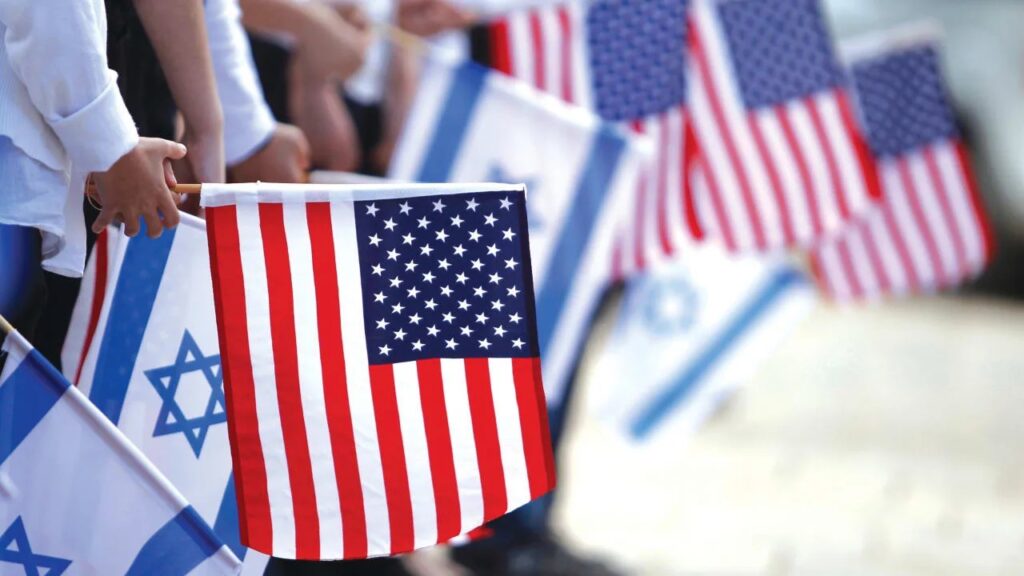
Photo credit: BAZ RATNER/REUTERS
 More News