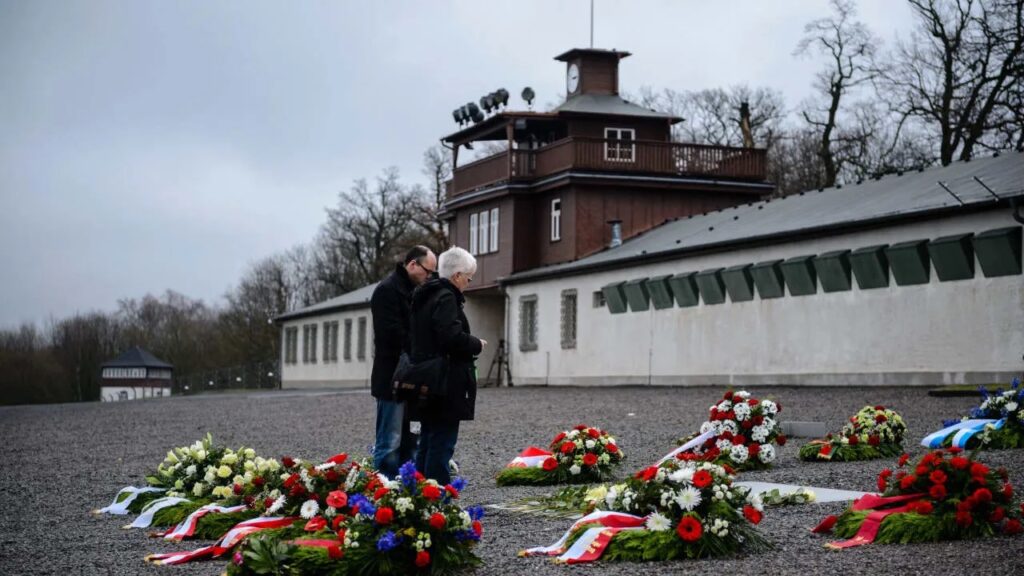


Authorities in Weimar have barred pro-Palestinian activists from holding a demonstration at the former Buchenwald concentration camp, ruling that the event would risk violating the dignity of Holocaust victims, reports The Jerusalem Post.
The group, “Kufiyas in Buchenwald,” had planned a vigil to coincide with the 81st anniversary of the camp’s liberation, just ahead of Holocaust remembrance commemorations. However, a local court upheld a police ban, concluding that the protest could disrupt memorial events and instrumentalise the site’s history for political purposes.
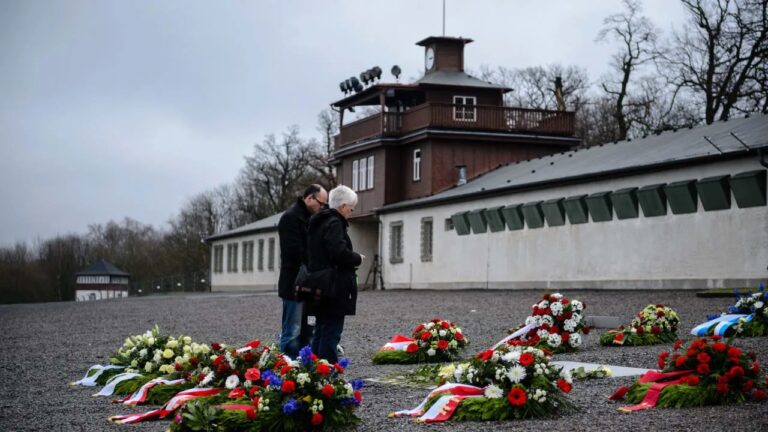
Buchenwald, one of the largest concentration camps on German soil, saw around 56,000 people murdered, including approximately 11,000 Jews. The site today serves as a place of remembrance for victims of Nazi persecution, including Jews, political prisoners, Roma, and others targeted by the regime.
Organisers of the proposed rally argued that their protest was consistent with the historic “Oath of Buchenwald,” a pledge made by survivors in 1945 to oppose fascism and build a more just world. They said their activism sought to honour all victims of oppression, including Palestinians.
However, the memorial foundation strongly rejected this interpretation. Spokesperson Rikola-Gunnar Lüttgenau described the planned protest as an inappropriate use of Holocaust memory for political ends, warning that it distorted the historical significance of the site.
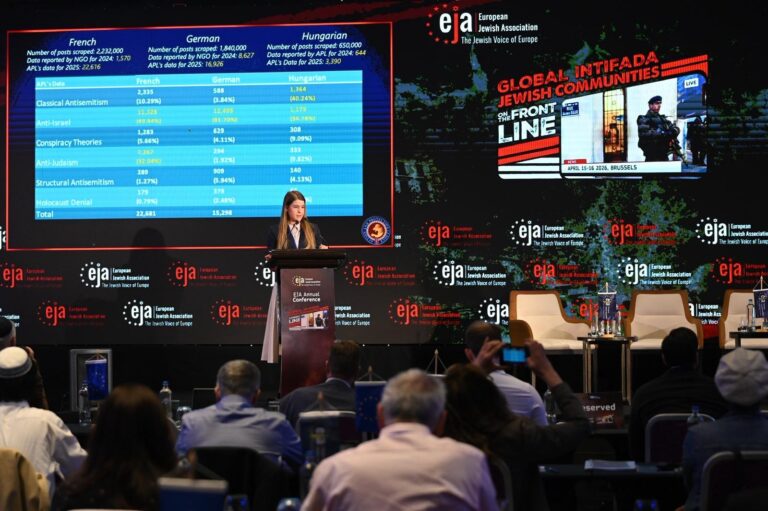
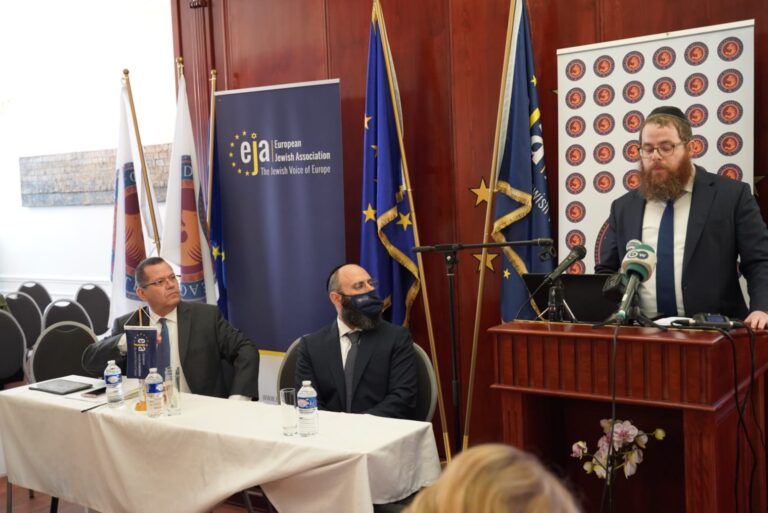
The decision to block the rally was supported by major Jewish organisations, including the European Jewish Congress and the Conference of European Rabbis, which expressed concern about the growing trend of linking contemporary political causes to Holocaust remembrance in ways they view as misleading or offensive.
Historians also raised concerns about the timing and nature of the planned protest. William Niven, a professor of German history, warned that introducing political demonstrations into commemorative events risks overshadowing the memory of victims and those who come to mourn.
“If you’ve got a group making political statements at such a moment,” he said, “it transforms a commemorative event into a political act.”
The dispute reflects a broader and long-standing debate over how sites like Buchenwald should be interpreted. Since its liberation in 1945, the meaning of the camp has shifted under different political contexts — from its use in East Germany as a symbol of anti-capitalist struggle to its modern role in Holocaust remembrance and education.
In recent years, the site has also faced other pressures, including vandalism and challenges from far-right groups such as Alternative for Germany, whose leaders have questioned Germany’s culture of Holocaust remembrance.
The controversy surrounding the blocked protest highlights ongoing tensions between historical memory, contemporary political activism, and the responsibility to preserve the integrity of Holocaust sites.
At its core, the decision underscores a key concern shared by Jewish organisations and memorial authorities: that the legacy of the Holocaust — and the antisemitism that underpinned it — should not be reframed or diluted through modern political agendas.
photo credit: Jens Schlueter/Getty Images
 More News