

Antisemitism on social media has reached its highest recorded level three years after the Hamas-led attacks on Israel on October 7, 2023, according to a new study by Australia’s Online Hate Prevention Institute (OHPI). The organisation found that none of the major platforms examined had returned to the levels of antisemitic content recorded before the attacks, The Times of Israel reports
The report revealed that the period from July to September 2026 saw more antisemitic material than any previous three-month period since OHPI began monitoring online hatred in 2022.
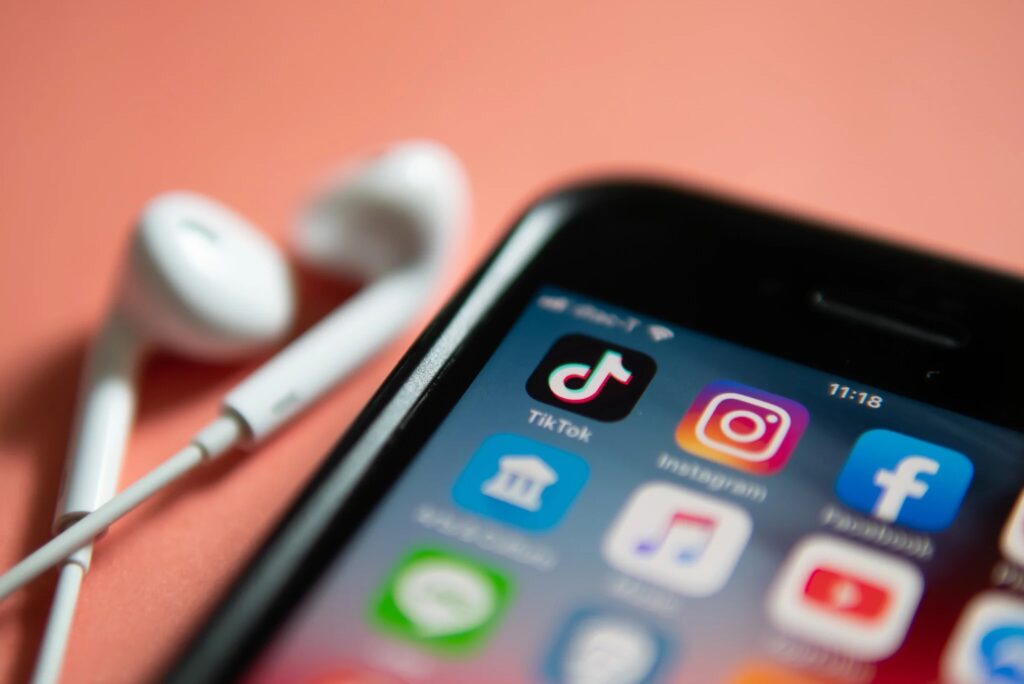
Researchers examined more than 29,500 examples of antisemitic content collected from 11 platforms: Facebook, Instagram, X, TikTok, YouTube, LinkedIn, Reddit, Telegram, Gab, BitChute and Threads, which was included for the first time.
Each item was individually assessed and categorised by specialist analysts. To ensure consistent comparisons, researchers measured the number of antisemitic posts identified during every eight hours of monitoring.
Although the research was conducted in Australia, the material originated from countries around the world, providing an indication of wider international trends.
Antisemitism Remains Above Pre-October 7 Levels
The study found that antisemitic content increased sharply following the October 7 attacks and has remained significantly above previous levels ever since.
On Facebook, X, Gab, Telegram, Reddit and BitChute, the volume of antisemitic material remained consistently elevated. Meanwhile, Instagram, TikTok and YouTube experienced further increases beyond the initial surge recorded after the attacks.
Researchers also challenged suggestions that the rise in reported antisemitism was primarily caused by legitimate criticism of Israel being incorrectly classified as anti-Jewish hatred.
According to OHPI, traditional antisemitic beliefs remained the most common form of hatred on most platforms. These included conspiracy theories about Jewish control and influence, blood libel accusations and claims that Jews collectively bear responsibility for the death of Jesus.
The prevalence of these longstanding antisemitic stereotypes, the organisation argued, demonstrates that the increase cannot simply be attributed to disagreements over Israeli government policies.
LinkedIn showed a different pattern, with more than 70 per cent of identified antisemitic material involving Israel or Zionism.
The report also found that most Holocaust denial content appeared on mainstream social networks rather than smaller extremist platforms.
Content promoting violence against Jews or Nazi ideology increased particularly on YouTube and TikTok, often appearing in comment sections.
Temporary Declines Followed by Further Increases
OHPI identified brief reductions in antisemitic content on Facebook, Instagram and Threads during June and July 2026, when representatives of Meta appeared before Australia’s Royal Commission on Antisemitism and Social Cohesion.
However, the improvements proved temporary, with antisemitic activity subsequently rising again.
Researchers also recorded increases across Facebook, Instagram, TikTok, Gab and Reddit between December 2025 and January 2026.
These increases followed the December 14 antisemitic massacre at a Hanukkah celebration on Bondi Beach and the Australian government’s announcement on January 8 that it would establish a royal commission to examine antisemitism and social cohesion.
The findings raise concerns about the effectiveness of existing social media moderation systems, particularly given the continued spread of Holocaust denial, antisemitic conspiracy theories and content encouraging violence.
OHPI called for stronger government oversight of social media companies, including substantial financial penalties for platforms that refuse to cooperate with regulators.
The organisation also recommended renewed investment in content moderation and urged Meta to restore automated systems for removing harmful material that it discontinued in January 2025.
The report concludes that the increase in online antisemitism following October 7 has developed into a persistent problem across both mainstream and alternative social networks, rather than a temporary reaction to events in the Middle East.
Photo credit: Wachiwit/iStock
 More News